
Displaying items by tag: live theatre
No Dogs’ Delivers an Unfamiliar Earnest
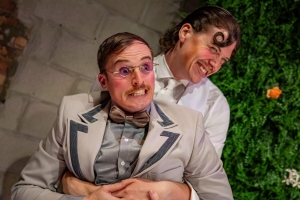
Oscar Wilde’s The Importance of Being Earnest is one of the greatest farces ever written. His wordplay caricatured high society, and clever pay-offs are hilarious when executed properly. The play was first performed on February 14, 1895 (Valentine's Day). The premiere took place at the historic St James's Theatre in London. Wilde famously subtitled the work “A Trivial Comedy for Serious People,” a reminder that its brilliance lies in treating absurdity with absolute sincerity. Unfortunately, No Dogs in the Kitchen Theatre Company’s recent production, directed by Genevieve Corkery, misses the mark when bringing this beloved play to the stage.
For those unfamiliar, the classic comedy follows two high-society bachelors, Jack Worthing and Algernon Moncrieff, who invent secret personas to escape the boredom of everyday life. Trouble arises, however, when Jack (going by the name of “Ernest”) proposes to Gwendolen, who is intent on only marrying a man with that specific name. Matters are complicated further when the carefree, mischievous Algernon also dons the moniker “Ernest” to woo Jack’s ward, Cecily, who shares the exact same romantic obsession with the name. To find happiness, the lovers must quickly untangle a web of ridiculous misunderstandings and mistaken identities. The true brilliance of Wilde’s script lies in its wordplay and sharp societal satire, taking the audience on a wild, hysterical ride where the utterly absurd is treated with the utmost importance.
Founded in 2023, No Dogs in the Kitchen is still a young company, and a certain learning curve is both natural and expected as they continue shaping their artistic identity. Their past work has already shown a clear interest in bold, unconventional staging, often embracing heightened physicality and playful absurdism. That adventurous spirit is a defining part of their aesthetic, and it’s evident the ensemble values experimentation and a willingness to push familiar texts in unexpected directions. While this production didn’t always find harmony between those impulses and Wilde’s finely tuned verbal wit, the company’s enthusiasm, imaginative framework, growing technical confidence, and emerging vision suggest they have the tools to grow into a distinctive and compelling presence within Chicago’s storefront theatre scene.
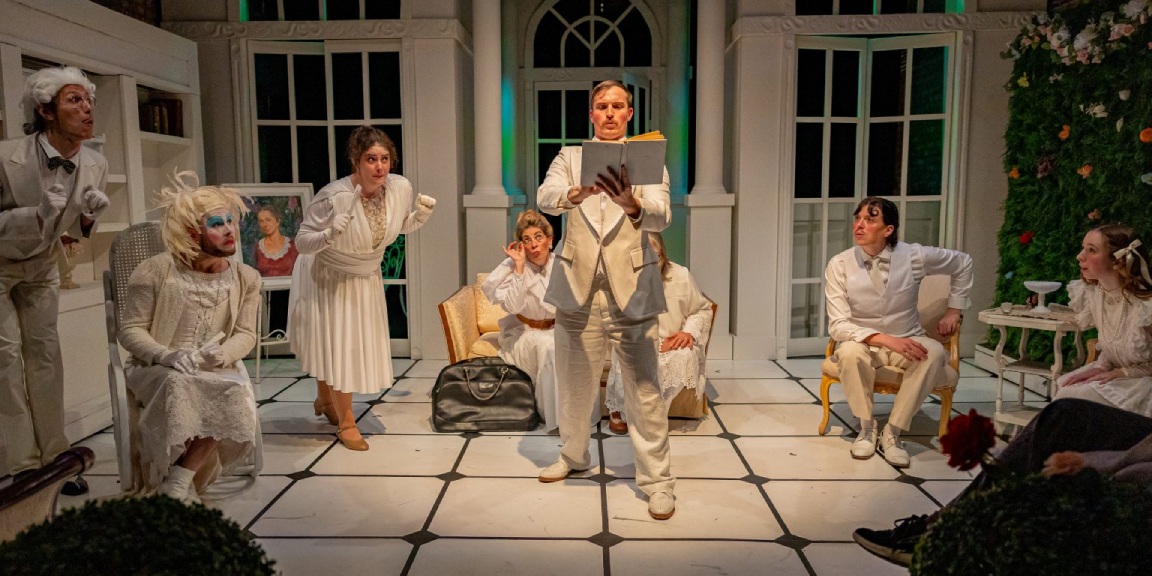
The cast of No Dogs in the Kitchen’s “The Importance of Being Earnest” at Facility Theatre.Photo: Alex Albrecht
That said, where this production struggles is in its apparent distrust of the script, adding jumbled and superfluous elements that only serve to undercut the humor it tries so hard to generate. It is as if the creative team didn't believe the script was funny enough on its own, choosing instead to pile on unnecessary subtext that needlessly deviated from - and was unsupported by - Wilde’s text.
This staging regularly undermines its own comedic timing with added, cartoonish sound effects that reduce wit to silly gags. From boinging springs to breaking plates, it felt as if someone was trying to use every button on a soundboard. Furthermore, a heavy hand of physical humor frequently distracts from the brilliant dialogue. During several monologues, cast members distracted the audience with routines like fighting on a sofa. Another oddity occurred in the final act when multiple cast members broke the fourth wall to deliver lines - a trick they hadn't used up until that point. It’s unclear why there was such distrust in the source material, and why a surplus of additions was believed to be the solution.
The performances also suffered from this same directive, often relying on over-the-top delivery. Mitch Karmis, who played two different butlers, mugged for the audience and utilized an almost cartoon-like physicality. David Lovejoy portrayed Lady Bracknell as a Mommie Dearest caricature instead of the formidable, sophisticated society matriarch who delivers scathing lines with dry, icy wit. The performance moved between widely contrasting vocal registers, creating an uneven tone that often felt out of step with Lady Bracknell’s traditionally controlled presence. It was also unclear why, in the final act, Lady Bracknell suddenly transformed into a flirtatious aggressor who growled at Jack and threw herself at the butler. Another odd decision was to have Dr. Chasuble played by Sara Corkery in a rubber race mask.
Amidst these choices, there was a bright spot in Garret Weigel’s Jack. For the most part, Weigel found the right balance between inventive character choices and a respect for the script. Jack could easily be played as a boring straight-man when up against the whimsical Algernon, but Weigel added a distinct flair to his interpretation without straying too far from the original play.
It is genuinely unfortunate that the production chose to deviate so drastically from the text. When done faithfully, The Importance of Being Earnest is a true theatrical gem. While there were moments that elicited genuine laughter, they occurred when the text was allowed to speak for itself, rather than being buried under extraneous gags.
While this hyper-stylized, over-the-top version might appeal to theatergoers seeking a radical, alternative spin on a classic, those looking for a faithful, witty adaptation of Wilde’s masterpiece will likely find this production is not the one.
The Importance of Being Earnest runs through July 26th at Facility Theatre. For more information and/or tickets, visit https://nodogsinthekitchen.org/.
Shane - City Lit Theatre - Through October 4th
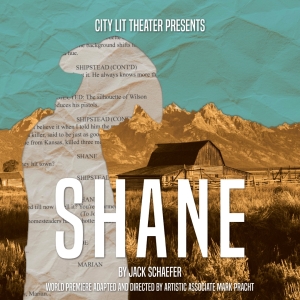
Full cast and production team have been announced for City Lit's season-opening production of SHANE, Mark Pracht's World Premiere adaptation of the classic Western novel by Jack Schaefer. The story, which richly depicts the transition of the American frontier from individualism to community, has been an enduring favorite ever since the novel's publication in 1949 and its 1953 Academy Award-winning film adaptation. Pracht, a Jeff Award-nominated writer (for his play THE HOUSE OF IDEAS, produced by City Lit in 2024) and one of City Lit's first class of Artistic Associates, will direct. SHANE will play through Sunday, October 4.
Michael B. Woods, a Jeff Award winner for Performer in a Principal Role - Play for his title role in BoHo Theatre's 2018 production of CYRANO, will take on the title role of the mysterious outsider who rides into a Wyoming Valley and takes a job as a farmhand. The homesteading family who hires him – Joe and Marian Starrett and their son Bob – will be played by Josh Odor, Whitney Minarik, and Bruce Holtman. Odor won a Jeff Award earlier this year as Performer in a Supporting Role – Play (Short Run) for his performance as the villainous father in the American Premiere of GANGSTA BABY with Open Space Arts. In SHANE, he will play the much kinder father and husband Joe. Minarik has appeared in NETWORK and THE TRAGEDY OF MACBETH with Invictus Theatre. Holtman was last seen at City Lit in SHERLOCK HOLMES AND THE CHRISTMAS CLOWNS and also appeared in Theo Ubique's THE BEST LITTLE WHOREHOUSE IN TEXAS. City Lit Artistic Associate Sean Harklerode, whose City Lit work includes roles in NIGHT OF THE HUNTER, MURDER IN THE CATHEDRAL, and all three entries in THE FOUR-COLOR TRILOGY, will play Fletcher – the cattle baron who tries to scare the Starretts off their land. The ruthless professional gunslinger Stark Wilson, who threatens to kill the homesteaders who refuse to leave, will be played by Jay Donley, whose experience with violence includes creating fight and intimacy design for Chicago productions as diverse as CAROUSEL (Music Theater Works) and ANGELS IN AMERICA (Invictus).
Also in Pracht's SHANE cast are Brandon Boler (Ernie Wright), Ross Childs (Curly), Chuck Munro (Grafton), Frank Nall (Shipstead), and Andrew Pappas (Chris). Understudies are Anthony Augustin (Curly/Shipstead U/S), Marshall Kious (Joe Starrett/Fletcher U/S), Zach Kunde (Grafton/Wright U/S), Payton Nesci (Bob/Chris U/S), Chase Wheaton-Werle (Shane/Ledyard-Wilson U/S), and Mary Eliza Willingham (Marian Starrett U/S).
The SHANE production team will include Jeremiah Barr (Scenic Designer/Technical Director), Beth Laske Miller (Costume Designer), Petter Wahlbäck (Sound Designer/Composer), Josiah Croegaert (Lighting Designer), G. "Max" Maxin IV (Projection Designer), Jim Terry (Projection Artwork), Jeff Brain (Props Designer), Vic Bayona and Richard Gilbert of R & D Choreography (Violence Designers), Courtney Abbott (Intimacy Director), Michael Lesko (Stage Manager), Leigh Barrett (Assistant Director), Mateo Gutierrez (Production Manager).
All performances will be at City Lit Theater, 1020 W. Bryn Mawr Avenue, Chicago, on the second floor of the Edgewater Presbyterian Church. City Lit Season 46 subscriptions are available at $112.00, good for all performances, or $88.00 for preview performances. Subscriptions may be ordered online at www.citylit.org or purchased over the phone by calling 773-293-3682. Single tickets for Season 46 are priced at $32 for previews and $40 for regular performances and are on sale now. Senior prices are $5 off the applicable ticket prices. Students and active military are $22.00 for all performances.
SHANE
Based on the novel by Jack Schaefer
Adapted and directed by Artistic Associate Mark Pracht
World Premiere Adaptation of the classic Western.
August 21 - October 4, 2026
Previews August 21 – 28, 2026
Regular run August 29 - October 4, 2026
Fridays and Saturdays at 7:30 pm, Sundays at 3 pm
Plus two Mondays, September 21 (Understudy show) and September 28 at 7:30
Tickets $32 for previews and $40 for regular performances. Seniors $5.00 off all prices. Students and active military are $22.00 for all performances. Groups are $30 per person. Prices include all fees and taxes.
Tickets available online at www.citylit.org or by phone at 773-293-3682.
All performances at City Lit Theater, 1020 W. Bryn Mawr, on the second floor (accessible via elevator) of the Edgewater Presbyterian Church.
In this World Premiere adaptation of the classic western, Shane, a mysterious stranger, shows up at the Starrett homestead in the Wyoming Territory in 1889. Though he seems to be hiding a dangerous past, he's offered a job as a farm hand and settles in with the Starretts: Joe, his wife Marian, and his son Bob, our narrator. When Joe refuses to sell his land to open range rancher Fletcher, it sets up a deadly showdown that alters the fates of everyone involved.
A Legendary Transformation: John Mulaney’s Historic Night at Wrigley Field
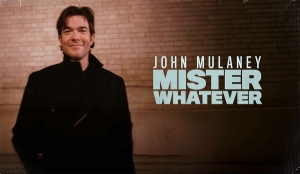
John Mulaney didn’t just perform at Wrigley Field. He made history there. In a venue synonymous with baseball legends, rock icons, and century-old Chicago lore, Mulaney became the first comedian ever to headline a full stand-up show at Wrigley Field, and, depending on which version of the truth you prefer, possibly the largest live audience for a comedian in history. Whether or not the record is airtight, the scale of the night was undeniable. Chicago turned out in force for one of its own.
A New Chapter: The Mister Whatever Tour
Mulaney’s Mister Whatever tour marks a tonal shift from the raw confessionals of Baby J. Where that show dissected his intervention, addiction, and the wreckage of his personal life, Mister Whatever leans into the absurdity of middle age, fatherhood, and domestic unpredictability. The storytelling remains fast, sharp, and unmistakably Mulaney, but now filtered through the lens of a man navigating toddlers, in-laws, and the strange mundanity of being a grown-up with a past.
Family Life and Fatherhood: Comedy in the Trenches
Mulaney’s material about family life is some of his richest yet, especially when he dives into the sprawling constellation of his new in-laws. Marrying into Olivia Munn’s Vietnamese-Chinese family gives him endless fodder, and he mines it with precision: overbearing relatives, cultural misunderstandings, and the kind of familial chaos that feels both universal and deeply specific. He even slips into a Vietnamese accent, a move he preemptively defends by insisting he has “earned the right” because they are his actual family now. It’s classic Mulaney: self-aware, slightly provocative, and delivered with a wink.
His bits about raising two toddlers are equally sharp. He compares dealing with a three-year-old to working in a toxic workplace, complete with unreasonable demands, emotional volatility, and a boss who has no concept of time. The late-night meltdowns, the negotiations over snacks, the existential exhaustion of parenting: he turns it all into a comedic autopsy of modern fatherhood.
And then there is the “wallet allowance,” a running gag about his post-rehab financial oversight. According to Mulaney, his wife and even bank cashiers treat him like a teenager with limited privileges. It’s a sly, self-deprecating way of acknowledging his past without dwelling in it.
Absurd Observations and Pop Culture: Mulaney’s Sweet Spot
Where Mulaney truly thrives is in the absurdity of everyday grievances, and his extended rant about modern $1,000 drying machines is a highlight of the night. He builds an entire comedic architecture around the decline of appliance quality: how dryers now seem designed to not dry clothes, how they beep like needy robots, how they offer dozens of settings but none that actually work. It’s the kind of bit only Mulaney can stretch into a full routine, turning a mundane annoyance into operatic frustration.
His pop culture and political impressions land just as hard. His RFK Jr. impression is a showstopper: wild, unhinged, and delivered with a kind of manic sincerity that had the stadium roaring. He skewers billionaires, public figures, and the bizarre circus of current events with the same blend of sharpness and silliness that has always defined his best work.
And then comes one of the night’s funniest detours. His bit about being possessed by Satan, specifically how Satan always does it the exact same way, with someone jolting upright in bed and unleashing a string of profanity, becomes one of the night’s sharpest and most ridiculous highlights. It’s pure Mulaney: theatrical, absurd, and delivered with the timing of a performer who knows exactly how long to let a joke breathe before landing it.
A Chicago Homecoming with Legendary Guests
What made the night feel truly monumental were the surprise guests, each adding their own flavor to the celebration.
Buddy Guy, Chicago blues royalty, took the stage and tore into a couple of songs, including a blistering rendition of “Sweet Home Chicago.” Seeing Buddy Guy at Wrigley Field would be a thrill on its own. Seeing him as part of a John Mulaney comedy show felt like a surreal Chicago fever dream.
Fred Armisen followed with a brilliantly odd set that blended music and comedy. Switching between guitar and drums, he delivered the kind of deadpan, musically infused humor that only Armisen can pull off. It was weird, delightful, and perfectly calibrated for a stadium crowd.
Richard Kind served as a sort of comedic emcee, popping in with jokes, introductions, and the warm, slightly bewildered charm that makes him such a beloved character actor. His presence added a theatrical looseness to the night.
And then, in a moment that felt like a benediction, David Letterman stepped out to introduce Mulaney. Letterman may be from Indiana, but in Chicago terms, that is close enough. His dry, understated introduction gave the night a sense of occasion, like a passing of the comedic torch from one generation to the next.
A Night That Felt Bigger Than Comedy
What made Mulaney’s Wrigley Field show remarkable wasn’t just the scale, or the guests, or the historic firsts. It was the sense of homecoming. Mulaney performed with the confidence of someone who knows the city in his bones: its rhythms, its humor, its contradictions. The stadium setting didn’t dilute his intimacy. It amplified it. His storytelling reached throughout the Friendly Confines without losing its specificity.
In a venue built for legends, Mulaney delivered a night worthy of the space.
A Thoughtful Evolution of Her Own Making: Overshadowed Theatrical Productions’ My Fair Lady
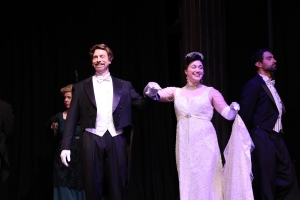
Overshadowed Theatre Productions brings fresh energy to one of musical theatre’s most enduring classics, offering a spirited and thoughtful take on My Fair Lady. This production leans into the story’s sharp contrasts - class and aspiration, control and independence - and invites audiences to see Eliza Doolittle’s transformation with new clarity. It’s a familiar tale, but Overshadowed’s staging makes it feel newly engaged and unexpectedly resonant.
Taking place in 1912, Edwardian London, My Fair Lady is the story of Eliza Doolittle (Kimberly Nicolosi), a resilient young woman who sells flowers for tuppence and whose Cockney accent marks her as invisible to the upper-class Londoners who pass her by. When she crosses paths with Henry Higgins (John Hacker), a brilliant but insufferably arrogant linguist, he boasts that he can remake her into someone society will accept - someone who can pass as a duchess at an embassy ball. What begins as a bet between scholars becomes a transformation that neither fully anticipates.
As Eliza endures Higgins’ relentless drills and dismissive temperament, she begins to outgrow the very mold he tries to force her into. Her ascent exposes the absurdity of class performance, the fragility of male ego, and the uncomfortable truth that respectability often demands erasing the people who need it most. By the time Eliza steps into high society, she is no longer Higgins’ creation but her own person - one who refuses to be spoken for, spoken over, or spoken down to.
The musical’s enduring tension lies in the question it never answers neatly: whether transformation is liberation or simply another form of confinement. My Fair Lady may dazzle with its elegance, but its heart beats in Eliza’s insistence that dignity is not something granted by others - it’s something claimed.
Lerner and Loewe’s My Fair Lady entered the musical theatre canon in 1956, following its development in 1955–56 and a Broadway premiere led by Julie Andrews and Rex Harrison. The story later reached an even wider audience with the 1964 film adaptation, starring Audrey Hepburn as Eliza and Rex Harrison reprising his stage role as Higgins, released on October 21, 1964.
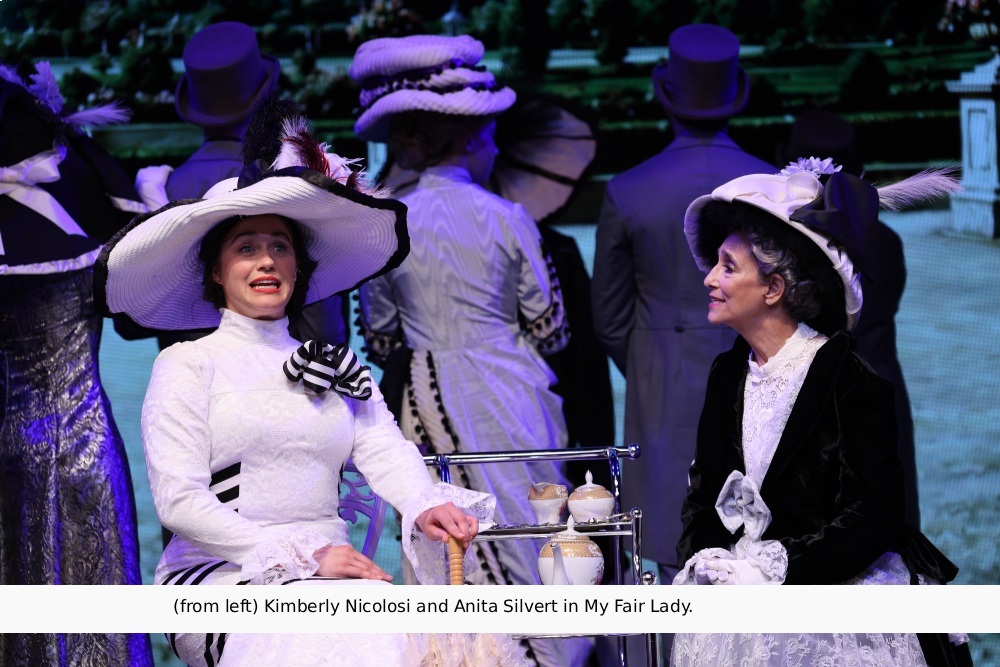
Overshadowed’s current production of this defining musical is anchored by Kimberly Nicolosi, whose Eliza Doolittle grows with steady assurance and a clear emotional arc that makes her transformation feel genuinely earned. Nicolosi is an absolute whirlwind of conviction, with vocals that match her intensity beat for beat, and a charm that makes her Eliza impossible to resist. Opposite her, John Hacker offers a thoughtfully restrained Henry Higgins, capturing both the character’s intellectual rigidity and the subtle shifts that reveal his dependence on Eliza, and his performance brings a compelling, understated complexity to the role. They shape the show’s strongest and most engaging dynamic. Surrounding them, Glen Lindemann brings gentle dignity to Colonel Pickering, while Madeline Frederick’s composed Mrs. Pierce adds welcome stability to Higgins’ household. Brad Holloman provides lively humor as Alfred P. Doolittle, and the Eynsford-Hill family - Sharon Lindemann as Mrs. Eynsford-Hill and Aren Dawson as Freddy - adds a touch of sweetness and refinement. Anita Silvert’s poised Mrs. Higgins offers a calm counterbalance to her son’s bluster, and she delivers a few of the play’s most pointed one-liners with crisp, knowing precision. Under Reba Hervas’ direction, the ensemble works together with easy cohesion, and Hervas guides the production with a steady, confident hand that keeps the storytelling clear, warm, and consistently engaging.
Though wrapped in Edwardian charm, My Fair Lady carries a clear feminist undercurrent, rooted in Eliza’s fight for self-determination. Her journey is not simply one of refinement but of agency - choosing to reshape her life, challenge the limitations imposed by class and gender, and ultimately assert her independence from Higgins’ control. The production highlights how her transformation belongs to her alone, not to the men who presume to mold her, allowing the story’s critique of patriarchal entitlement and its celebration of female autonomy to resonate beneath the musical’s elegance.
The production’s musical backbone shines through beloved highlights such as “Wouldn’t It Be Loverly,” “The Rain in Spain,” “I Could Have Danced All Night,” and “On the Street Where You Live,” each handled with care under Karen Archbold’s attentive music direction. The staging moves with an easy flow thanks to Katy Smith’s well-shaped choreography, which keeps the transitions light and the ensemble well-coordinated. These elements honor the classic craftsmanship of Alan Jay Lerner, who penned the book and lyrics, and Frederick Loewe, whose score remains one of musical theatre’s most enduring treasures.
The set design stands out as one of the production’s most impressive achievements, delivering a level of polish that will surprise audiences unfamiliar with Overshadowed’s work. Thoughtfully constructed and visually cohesive, it creates an environment that supports the storytelling without ever overwhelming it. This marks the first production by the company to utilize a massive video board, and its use is highly successful - enhancing the world of the play with vivid, effective projections that expand each location with striking clarity. The video board works in concert with well-crafted props and scenic pieces that are seamlessly brought in when needed, creating transitions that feel both fluid and purposeful. The scenic and projection work by Yohannan Lee adds depth and atmosphere, giving each setting a sense of place and intention. Complementing the world onstage, Megan Wilburn’s costume design brings the period to life with authenticity, from the tailored silhouettes to the women’s elaborate Edwardian picture hats, which add a flourish of social detail and visual charm. All of these design choices elevate the production with a craftsmanship that feels both ambitious and warmly inviting.
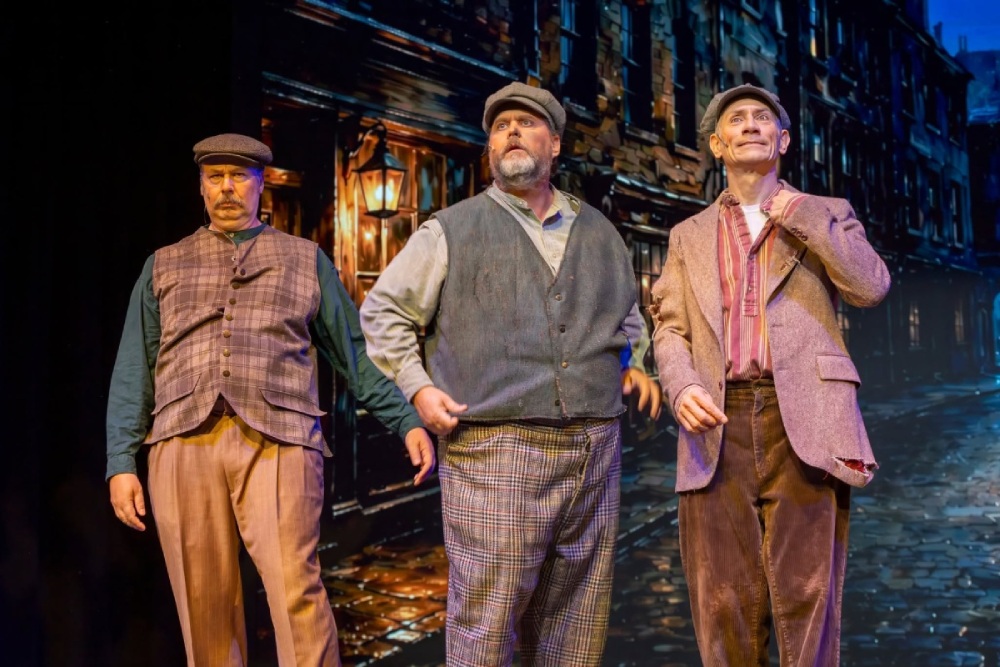
(from left) - Al Gorr, Brad Holloman and Tony Lopez in My Fair Lady.
Stepping back from the production itself, Overshadowed Theatre reveals a company with a purpose that complements the kind of storytelling seen on their stage. I was struck by how deeply rooted their mission is in creating a welcoming, family-friendly space where storytelling and community go hand in hand. Their history reflects a commitment to mentorship and faith-centered values, with an emphasis on giving young performers a place to grow while offering audiences productions that uplift rather than overwhelm. Overshadowed cultivates an environment built on encouragement, accessibility, and shared experience. The company resides within Jubilee Bible Church in Medinah, IL, and the theatre is fully ADA accessible, with vast and easy parking, spacious corridors, and plentiful concessions that make the audience experience comfortable from the moment you arrive.
Audiences can also look forward to a whimsical shift in tone as the company prepares to stage A Midsummer Night’s Dream, bringing Shakespeare’s mischievous magic, tangled romances, and fairy-filled forest to life. Following that, their upcoming season offers a wide range of titles: Flame of Fire (Sep 18–Oct 10, 2026), an original play written and directed by Artistic Director Reba Hervas. Based on the true 1956 story of Operation Auca, the production recounts the lives of missionaries Jim Elliot, Nate Saint, Pete Fleming, Ed McCully, and Roger Youderian, who were killed while attempting peaceful contact with the isolated Huaorani tribe in Ecuador. The play also explores the extraordinary aftermath, as their wives chose to return to the jungle to forgive the tribe and continue living among them. The season continues with It’s a Wonderful Life (Nov 27–Dec 19, 2026), James and the Giant Peach (Jan 22–Feb 6, 2027), The Stranger by Agatha Christie (Mar 12–20 and Apr 1–10, 2027), and Titanic the Musical (July 9–31, 2027). It’s an ambitious slate that blends classic storytelling, family favorites, and dramatic intrigue, promising a season with something for every kind of theatre-goer.
Overshadowed Theatre’s My Fair Lady emerges as a thoughtful production with a clear point of view, delivered with care both onstage and behind the scenes.
Recommended.
For more show information and tickets, visit https://www.overshadowed.org/.
Powerhouse Performances on Display in Gwydion's Dry Powder
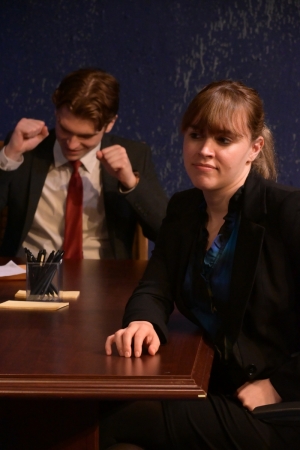
In the sharp-tongued world of Sarah Burgess’s Dry Powder, presented by Gwydion Theatre Company at the Greenhouse Theater Center, the pursuit of money is a blood sport. The play centers on a high-stakes private equity firm caught in a massive public relations nightmare after laying off thousands of grocery store workers the same week its co-founder threw a flashy engagement party featuring an elephant – but it was just one elephant!
All hope isn’t lost for their reputation, however. A potential way out comes thanks to a struggling, American-made luggage company that believes the firm can save them. Of course, as the firm weighs the acquisition, their definition of “help” may not align with the company’s. At the helm is Rick, the ultimate decision-maker, who has two distinct angels on his shoulders: Seth, the optimistic partner who brought the deal to the table, and Jenny, his cold-hard-cash counterpart. From Seth’s perspective, the deal is a perfect fit; they can rescue an American brand without layoffs and emerge as heroes. For Jenny, this luggage company is just baggage—unless it can be downsized, moved overseas, and engineered into something it once stood against.
Directed with precision by Ellie Thomson, Dry Powder completes Gwydion Theatre’s season, which has explored themes of class, money, and power, and how all three can entangle the soul. The production asks what happens to our humanity when everything is reduced to a column on a balance sheet.
The production thrives on the electric, friction-filled chemistry of its cast, anchored by a series of standout performances.
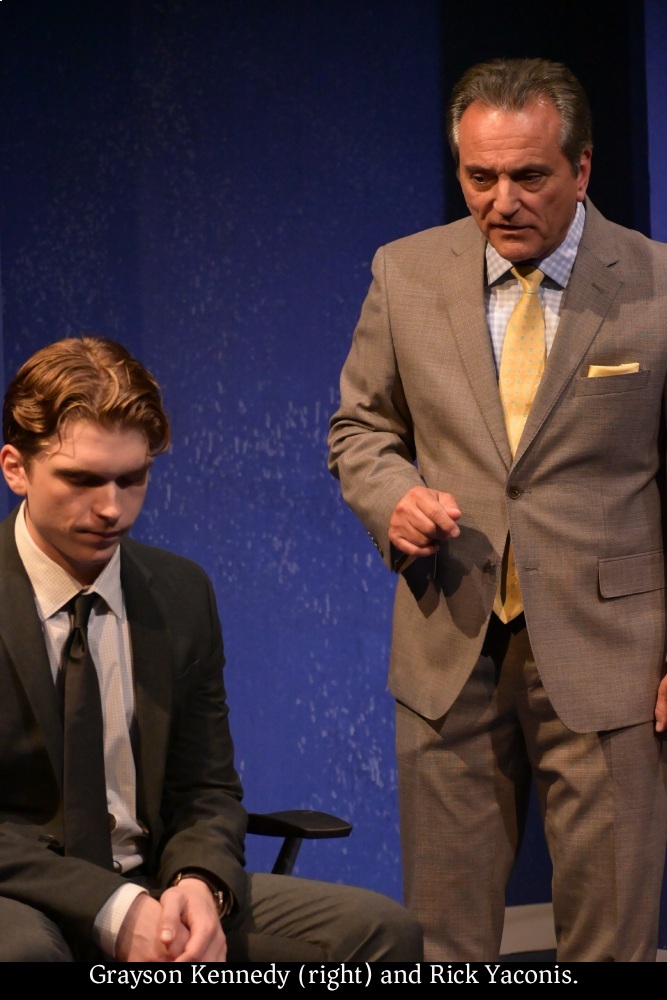
Carol Kelleher delivers a masterclass performance as Jenny. Playing the de facto villain of the piece, Kelleher crafts a remarkably complex and compelling performance that is utterly enjoyable to watch. She doesn’t just play the role; she completely becomes the character, infusing Jenny’s brutal, unrelenting perspective of greed with a sharp humor. Her performance ensures that even at Jenny’s most calculating, you cannot look away.
As the firm’s head, Rick Yaconis turns in a powerful performance, deftly striking the balance between a paternal mentor and a greasy titan. He shifts effortlessly between a ruthless opponent and a pat-you-on-the-back salesman.
Grayson Kennedy, a founding member of Gwydion Theatre, brings immense depth to Seth, the firm’s supposedly earnest, morally grounded partner. His clean-cut delivery fits the role perfectly.
Tommy Thams, co-founder of the theatre company, rounds out the dynamic as Jeff, the CEO of the targeted luggage company. Thams infuses Jeff with the relaxed, easygoing charm of an old buddy, making the audience root for the company’s success and feel genuinely betrayed by what unfolds in the final act.
Burgess’s script is complex, mining dark humor from the shifting dynamics and war of words between these characters.
Ultimately, Dry Powder leaves the audience reflecting inward. It might be easy to dismiss this play if we aren't personally in a position to dismantle - or attempt to save - a multimillion-dollar company, but the narrative transcends the boardroom. The play holds up a mirror and forces us to look closely at ourselves: Are we good or are we just being nice?
As Jenny pointedly notes, she never lies to the client. Her emotions, her greed, and her hawkish nature are never disguised. Seth, conversely, hides behind a comforting “nice guy” persona, genuinely believing he occupies the moral high ground. But in trying to appease both sides – a greedy firm and a company that needs help – is he actually better or just deceiving himself?
It’s these thought-provoking questions that make Gwydion Theatre’s production a gripping triumph that lingers long after the final blackout.
Dry Powder plays at the Greenhouse Theater until July 26. Tickets and show information here.
Production of THE IMPORTANCE OF BEING EARNEST Does Not Fully Recognize Its Importance at Oak Park Festival
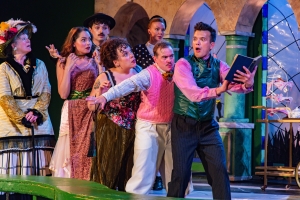
It is possible that Oak Park Festival Theatre’s production of Oscar Wilde’s 1895 “trivial comedy for serious people,” The Importance of Being Earnest, was suffering from some opening night jitters and that the actors will settle in and trust the verbal comedy in the script, but on this beautiful evening under the stars, there was too much mugging and nudging going on. Nevertheless, Wilde’s play, about two young men, Algernon (August Forman) and Jack (Chad Bay), who have both invented alibis - Algernon an invalid friend named Bunbury in the country and Jack a degenerate younger brother in town--to allow them to indulge their socially questionable whims, leading to the difficulty of having to explain why neither is Ernest, is still funny. And, despite the excesses on display, this staging still holds many delights for fans of Wilde, verbal comedy, and, particularly in the second act, some smartly choreographed slapstick. What is missing from much of the evening is earnestness. Many of the actors seemed to be in search of motivation and the stakes that propel them through this admittedly effervescent frolic.
Working with a talented cast of regional stage actors, director Kathryn Walsh has not created a secure world for her creative team to inhabit, resulting in an often funny but not dynamic production, with shrill delivery and broad physical comedy undermining human-scale relationships. The tone and gestures of the various characters range wildly, as do the design elements. The whimsical, vaguely Victorian costumes, while fun, support the cartoonish elements of the production, while not always clearly defining the characters. The lighting design by Devin Cameron is appropriately warm and effectively saturated but also deploys unnecessary flourishes to support the comedic business. The scenic design by Evan Frank likewise captures the locations of the play and allows the actors to find many levels - literally - as they shift allegiances and stratagems. Justin Cavazos’s sound design and compositions lend unobtrusive support, except for one hilariously developed cue that draws attention to itself in a good way. Overall, Walsh’s production would be better served by trusting the script and the audience, especially in the first act, when we are getting to know the characters and their desires. That said, both Walsh’s direction and her cast fully commit to the amorous and combative collisions at the beginning of the second act, which showcases the physical and verbal comedic gifts of all to uproarious effect.
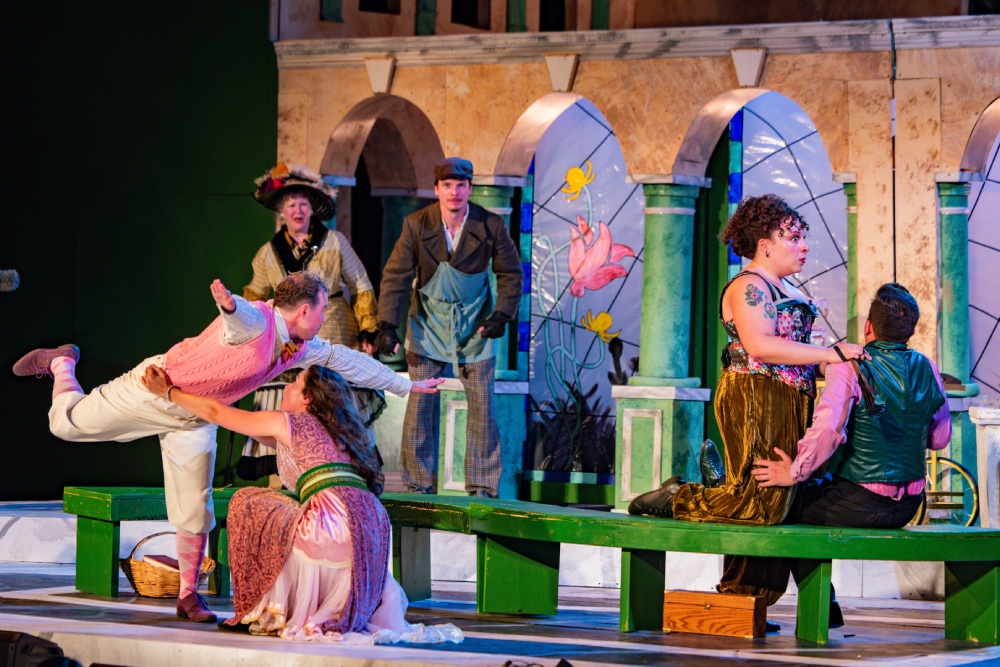
As part of the Oak Park Festival Theatre's 51st season (left to right) August Foreman, Barbara Zahora, Aurora Pennepacker, Drew Bos, Sonia Goldberg and Chad Bay in The Importance of Being Earnest at Austin Gardens.
One of the things that makes The Importance of Being Earnest work is the moral certitude that the characters bring to their pronouncements, no matter how absurd they are or whether their actions correspond to their words. This certitude also grounds the characters in their truths and forms the foundation of their interactions, but too often the actors are checking in with the audience to see if they got the joke (especially when many of Wilde’s observations still resonate) or negotiating with the lines. By the middle of the second act, the characters begin to define themselves, but much opportunity for connection is lost in the first. August Forman as Algernon flings himself into the role with wild abandon and invites the audience along for the ride. An adept comedian, Forman’s strategy often pays off but undermines Algernon’s insecurity as he balances his needs with society’s demands. All that aside, his Algernon’s compulsion for muffins is not to be missed. As his friend Ernest, who is actually Jack, Chad Bay does a good job of playing the less self-aware of the friends and playing up the character’s completely unjustified horror at Algernon’s embrace of Bunburyism. As Jack’s romantic interest, and Algernon’s cousin, Gwendolen, Sonia Goldberg at times overplays her character’s pretensions, some of which Gwendolen is still struggling to master, making Goldberg’s characterization overwhelmingly self-possessed at times. Conversely, Barbara Zahora lacks the imperiousness of many Lady Bracknells, giving the character an interesting warmth, but making her power solely transactional, which could be an interesting choice if it were played more fully. Aurora Pennepacker as Cecily strikes the most effective balance between the verbal and physical comedy, making the most of the opportunities to show Cecily’s willingness to exploit others’ assumptions about her character and her real understanding of her powerlessness without this ability. In Jodi Gage’s performance, Ms. Prism is a refreshingly insightful tutor to Cecily, while doggedly hanging onto youthful romanticism. Gabriel Armstrong is a very youthful Reverand Chasuble, celebrating his sudden relevance in parish life. Drew Bos may be the youngest actor to play the dual roles of Lane and Merriman in a professional production and wisely focuses on the class commentary afforded by the butlers of their respective households. His droll Lane gives Algernon food for thought in Act I, while his Merriman, already suffering from the physical strain of servitude despite his youth, effectively times his long-suffering pauses at each new demand (though Bos may need a visit to a chiropractor after the run). The experienced cast expertly and clearly delivers Wilde’s witticisms, which are always worth revisiting and occasionally resonate with the current social dynamics.
As the run continues, the production will most likely settle in and allow the script to propel the pacing and action more fully, especially in the more expository first act. There is much to appreciate in Oak Park Festival Theatre’s The Importance of Being Earnest, including a smart cast who find both the verbal and physical humor inherent to the play. Director Kathryn Walsh and her cast also explore fresh takes on the characters, some more successful than others, but always welcome. For those unfamiliar with Wilde’s play, this production is a solid introduction.
The Importance of Being Earnest runs in repertory with Hamlet, through August 14, outdoors in Austin Gardens in Oak Park, Illinois. Visit Season 51 | Oak Park Festival Theatre or call (708) 300-9396 for tickets and more information. Note: a number of the actors perform in both Earnest and Hamlet, and Oak Park Festival Theatre is offering discounted tickets for audiences who want to see both.
Suffs and the Women Who Refused to Wait
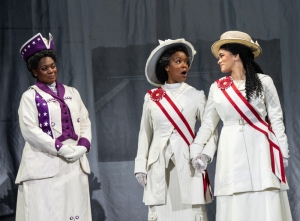
Suffs is a musical about history, yes, but more importantly, it is a musical about momentum: who creates it, who resists it (and why), who gets left behind by it, and what it costs to keep pushing it forward.
Set during the height of the women’s suffrage movement in the 1910s, the show follows a group of young suffragists led by Alice Paul, the real-life founder of the National Woman’s Party. Together, they organize, protest, clash with political leaders, become political prisoners, and (spoiler alert) eventually help gain women the right to vote through the 19th Amendment. But Suffs is not content to frame that victory as clean or uncomplicated, or to pretend that, even a century later, the battle is anywhere near over. The musical is just as interested in the fractures within the movement itself: the younger, more aggressive activists pushing against the older, more “respectable” wing of the Suffrage movement, and the women of color forced to fight for a movement that still asks them, again and again, to wait their turn.
That is where Suffs feels most relevant. It is not only a story about the past, but about the way progress still happens now: through generational disagreement, imperfect coalitions, strategic compromises, moral failures, and the constant fear that too much change too quickly might provoke as much backlash as liberation. Shaina Taub’s book, music, and lyrics do an incredible job balancing real history with theatrical fiction, making the politics legible without flattening the people involved into saints or symbols.
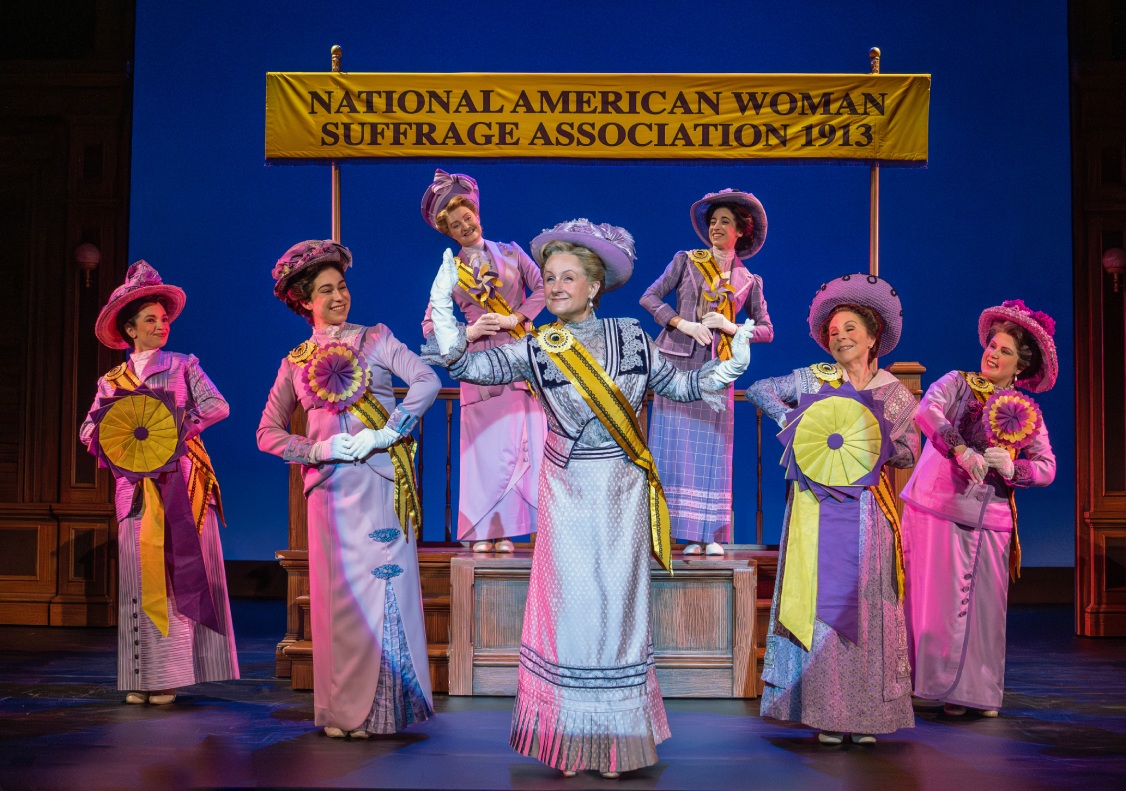
Marya Grandy (Carrie Chapman Catt) and company in SUFFS.
Under director Leigh Silverman, the first national tour’s production is just as anchored by its remarkably talented cast as it is by history; the entirely female company takes on both women and men throughout the story. Maya Keleher is excellent as Alice Paul, bringing both vocal strength and exactly the right kind of young, audacious drive to the role. Her Alice has the spunky determination of a character like Newsies’ Katherine, but grown up: sharper, more self-assured, and driven by something deeper than ambition. She is unabashedly devoted to her cause and makes it clear that, no, it’s not just because she’s young.
Playing opposite her are historical figures Carrie Chapman Catt (Marya Grandy), the mature and strategically tactful leader of NAWSA, and President Woodrow Wilson (performed by u/s Merrill Peiffer). Grandy’s dynamic with Alice Paul is one of the production’s strongest relationships, the two women foiling each other beautifully as they reveal different forms of conviction, compromise, and care. Peiffer’s handling of the presidential role was especially smart: funny and pointed, but never so exaggerated that it breaks the world of the show.
A special shoutout also has to go to the trio of Ida B. Wells (Danyel Fulton), Mary Church Terrell (Trisha Jeffrey), and Phyllis Terrell (Victoria Pekel). Multiple times, the energy in the theatre seemed to shift the moment the three of them took the stage together. Their scenes carried a stillness and gravity that made the room go quiet in the best possible way.
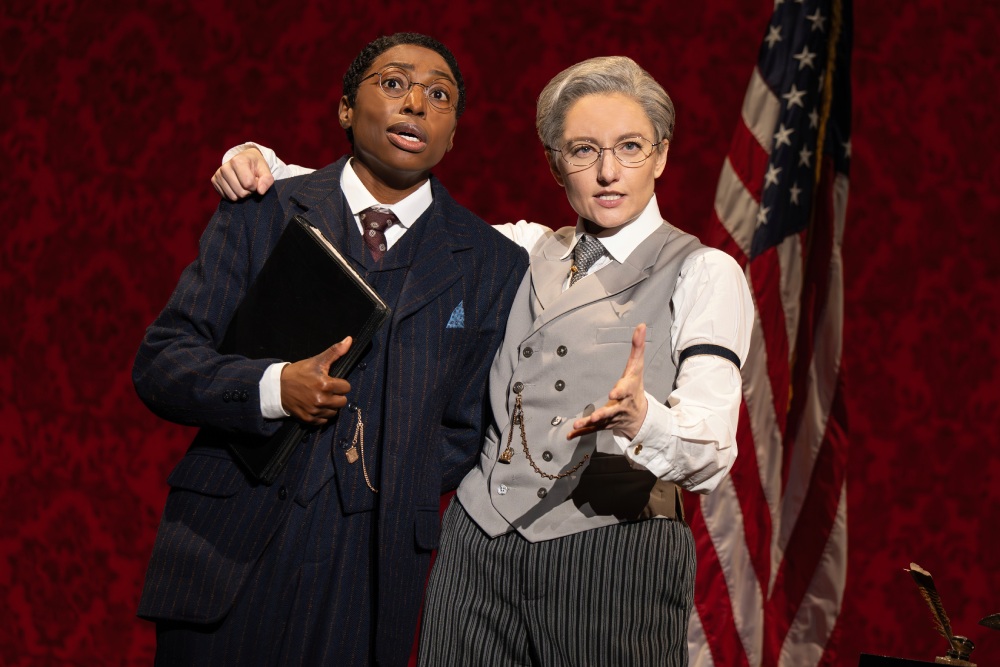
Brandi Porter (Dudley Malone) and Jenny Ashman (President Woodrow Wilson) in the First National Touring Company of SUFFS.
Suffs, which premiered Off‑Broadway in 2022 before its award‑winning 2024 Broadway run, continues to prove its power throughout its highly anticipated national tour. The score delivers some of the musical’s most defining moments, from the sharp, scene‑setting opener “Let Mother Vote” to the driving protest energy of “The March (We Demand Equality).” The emotional weight lands beautifully in “I Was Here,” a moving tribute to Ida B. Wells and Mary Church Terrell, while “Keep Marching” rises as the show’s breakout anthem, capturing the spirit of persistence that fuels the entire production.
If I have a critique, it’s that the show leans a bit too heavily into the idea of the production’s scale growing in tandem with the movement’s momentum. Conceptually, I love that choice. In practice, however, especially within the limits of a touring production, the early restraint makes the show take a long time to feel truly sweeping. The first act is good, but it was not until the second half of the second act that I found myself thinking, “Why haven’t they been singing like that, and dancing like that, the whole time?” The choreography has similar highs and lows: effective in moments, but not always as polished as it needs to be for the more intricate sections to feel truly stunning.
Still, by the end, Suffs lands exactly where it needs to. It leaves the audience empowered without pretending that empowerment is the same as change. The show understands that history is not something we revisit for comfort, but something we return to for instruction. Its final message, “your ancestors are all the proof you need / That progress is possible, not guaranteed,” is both a warning and a call to action. Suffs reminds us that the march is not over - and that the responsibility to keep moving belongs to all of us.
Recommended.
Presented by Broadway In Chicago, Suffs is running at CIBC Theatre through July 19th. Tickets are available here.
Oil Lamp Theatre to present I Love You Because August 14 - September 13

Oil Lamp Theater, currently presenting The Last Five Years, now extended through July 19, is proud to announce the cast and creative team for its next production, I Love You Because, August 14 - September 13, book and lyrics by Ryan Cunningham, music by Joshua Salzman and orchestrations by Larry Hochman, directed by Scott Shallenbarger and music directed by Aaron Kahn, at Oil Lamp Theater, 1723 Glenview Road. The schedule includes two preview performances Friday, Aug. 14 at 7:30 p.m. and Saturday Aug. 15 at 3 p.m., with an opening performance Saturday, Aug. 15 at 7:30 p.m. The performance schedule is Thursdays and Fridays at 7:30 p.m.; Saturdays at 3 p.m. and 7:30 p.m. and Sundays at 3 p.m. with additional Wednesday performances Wednesday, Aug. 19 at 11 a.m. and 3 p.m.; Wednesday Aug. 26 at 7:30 p.m. (Understudy Performance); Wednesday, Sept. 2 at 11 a.m. and 3 p.m. and Wednesday Sept. 9 at 7:30 p.m. Tickets are on sale now for $30 for previews and $55 for the run at OilLampTheater.org.
Modern dating is a mess. Sometimes to find Mr. Right you need to find Mr. Wrong – even if that means seeing someone stuck on their ex, awkward encounters of the intimate kind and lots of bad coffee dates. Opposites attract in this feel-good musical that will transport you into the heart of your favorite guilty pleasure rom-com. Created by acclaimed musical team Ryan Cunningham and Joshua Salzman and inspired by Jane Austen’s gold-standard romance novel “Pride and Prejudice,” this delightful modern musical will make you fall head over heels.
The cast of I Love You Because includes Aiden McCoy (any with respect, Austin Bennet); Maxwell J DeTogne (any with respect, Jeff Bennet); Hannah Kipp (she/her, Marcy Fitzwilliams); Kristin Brintnall (she/her, Diana Bingley); Daria Koon (she/they, NYC Woman); Tommy Rothwells (he/him, NYC Man); Freddy Mauricio (he/him, Austin Bennet U/S); Nic Eastlund (he/him, Jeff Bennet U/S); Kaitie Bonds (she/her, Marcy Fitzwilliams U/S); Dominique Ruffalo (she/her, Diana Bingley U/S); Nikki Holladay (she/her, NYC Woman U/S) and Joe Dennis (he/him, NYC Man U/S).
The production team includes Scott Shallenbarger (he/him, director); Aaron Kahn (he/him, music director/accompanist); Bob Knuth (he/him, scenic designer); Devin Meseke (he/him, properties designer); Maya Reter (she/her, sound designer); Sara Segneri (she/her, stage manager); Danielle Reinhardt (she/her, costume designer); Conner Nicoson (they/them, technical director); Connor Windle (she/her, production manager) and Rose Leisner (she/her, company manager).
ABOUT SCOTT SHALLENBARGER, DIRECTOR
Scott Shallenbarger makes his Oil Lamp debut with I Love You Because. Representative credits include Miracle on South Division Street, I And You, Baby the Musical (Citadel Theatre); Les Miserables (Uptown Music Theatre Company); The Glass Menagerie, Six Degrees of Separation, The Road to Mecca, Hot L Baltimore, The Children’s Crusade (Raven Theatre); Jeffrey and Love, Valor, Compassion (Hubris Productions) and Skyscraper (Piven Theatre). Shallenbarger is a published playwright and teaching artist who would like to thank you, dear audience, for attending live theatre.
ABOUT AARON KAHN, MUSIC DIRECTOR
Aaron Kahn is thrilled to be returning to Oil Lamp after previously working on the productions of It’s A Wonderful Life: A Radio Play and The Marvelous Wonderettes. Kahn is also a private voice teacher at the Christopher Laughlin School of Music in Northbrook and is a staff accompanist at Carthage College. Other favorite music and assistant music direction credits include: Fugitive Songs (Stagedoor Manor); Mel Brooks’ The Producers (Music Theater Works); A Little Night Music (Theo Ubique) and Spring Awakening (4 Chairs Theatre).
MORE FROM FROM OIL LAMP THEATER
October 2 – November 1, 2026
Adapted by Jeffrey Hatcher from the original play by Frederick Knott
Directed by Daniel King
Preview Performances: Friday, Oct. 2 at 7:30 p.m. and Saturday, Oct. 3 at 3 p.m.
Opening Night: Saturday, Oct. 3 at 7:30 p.m.
Performance schedule: Thursdays and Fridays at 7:30 p.m.; Saturdays at 3 p.m. and 7:30 p.m. and Sundays at 3 p.m. with additional Wednesday performances Wednesday, Oct. 7 at 11 a.m. and 3 p.m.; Wednesday Oct. 14 at 7:30 p.m. (Understudy Performance); Wednesday Oct. 21 at 11:00 a.m. and 3 p.m. and Wednesday, Oct. 28 at 7:30 p.m.
Alfred Hitchcock’s adored, chilling thriller gets a modern twist that no one will see coming. A murderous misstep begins a high-stakes hunt for the real criminal as time is quickly running out. This captivating, heart-racing play leaves audiences on the edge of their seats while the mystery of the year unravels before their eyes. Will the clues unlock the right person, or will an innocent victim pay the price? The suspense is to die for…
It’s A Wonderful Life: A Live Radio Play
November 20 - December 27, 2026
Adapted by Joe Landry
Directed by Becca Holloway
Preview Performances: Friday, Nov. 20 at 7:30 p.m. and Saturday, Nov. 21 at 3 p.m.
Opening Night: Saturday, Nov. 21 at 7:30 p.m.
Performance schedule: Thursdays and Fridays at 7:30 p.m.; Saturdays at 3 p.m. and 7:30 p.m. and Sundays at 3 p.m. with additional Wednesday performances Wednesday, Dec. 2 at 11 a.m. and 3 p.m.; Wednesday Dec. 9 at 7:30 p.m. (Understudy Performance); Wednesday Dec. 16 at 11:00 a.m. and 3 p.m. and Wednesday, Dec. 23 at 7:30 p.m.
The holiday tradition returns for its 13th year. Audiences may experience unmatched holiday cheer with Frank Capra's beloved classic, “It's a Wonderful Life,” reimagined as a captivating live radio play, complete with foley sound effects and set in our own WBFR radio studio.
Journey to Bedford Falls, where George Bailey's troubles lead him to wish he was never born. Clarence, an angel sent to intervene, steps in to make his wishes come true and George quickly learns just how many lives he has touched and just how blessed he really is.
*All productions, dates, creatives, etc. are subject to change.
ABOUT OIL LAMP THEATER
Oil Lamp Theater is a professional nonprofit performing arts organization in Glenview, Illinois, welcoming over 10,000 patrons annually from more than 225 communities—41% from Glenview and others from across the North Shore and Chicago. Since establishing its intimate 60-seat home in downtown Glenview in 2012, Oil Lamp has grown into a cultural beacon, earning recognition as “Best Live Theatre in the North Shore” for four consecutive years.
With more than 70 productions to date, Oil Lamp is known for its dynamic Mainstage season, special events and its resilience during the pandemic, when it innovated with drive-in performances and outdoor productions. Today, the theatre continues to foster connection, broaden horizons and illuminate the human condition through professional theater and year-round programming.
In addition to its productions, Oil Lamp Theater operates Oil Lamp Academy, its education branch dedicated to “Training for Life Through the Performing Arts.” In 2025 alone, the program served more than 230 students ages three to 97 years old, offering classes that use theater as a pathway to build confidence, creativity and lifelong skills.
This past September, Oil Lamp launched Light The Way, a transformative fundraising campaign designed to expand arts education, strengthen essential staff and establish a larger performance venue with the goal of staying in downtown Glenview. Building on its roots as a scrappy storefront, Oil Lamp is evolving into a more robust organization—without losing the intimacy and warmth that define its theater experience. Oil Lamp Theater hopes this announcement inspires excitement throughout the community. Stay tuned as additional news is shared in the near future. For information or to support the campaign go to OilLampTheater.org/Light-the-Way or reach out to Oil Lamp at This email address is being protected from spambots. You need JavaScript enabled to view it..
Oil Lamp Theater, currently presenting The Last Five Years, now extended through July 19, is proud to announce the cast and creative team for its next production, I Love You Because, August 14 - September 13, book and lyrics by Ryan Cunningham, music by Joshua Salzman and orchestrations by Larry Hochman, directed by Scott Shallenbarger and music directed by Aaron Kahn, at Oil Lamp Theater, 1723 Glenview Road. The schedule includes two preview performances Friday, Aug. 14 at 7:30 p.m. and Saturday Aug. 15 at 3 p.m., with an opening performance Saturday, Aug. 15 at 7:30 p.m. The performance schedule is Thursdays and Fridays at 7:30 p.m.; Saturdays at 3 p.m. and 7:30 p.m. and Sundays at 3 p.m. with additional Wednesday performances Wednesday, Aug. 19 at 11 a.m. and 3 p.m.; Wednesday Aug. 26 at 7:30 p.m. (which is an understudy performance); Wednesday, Sept.. 2 at 11 a.m. and 3 p.m.; and Wednesday Sept. 9 at 7:30 p.m. Tickets are on sale now for $30 for previews and $55 for the run at OilLampTheater.org.
Great Lakes Operetta presents Orpheus in the Underworld at Bramble Arts Loft July 10-19
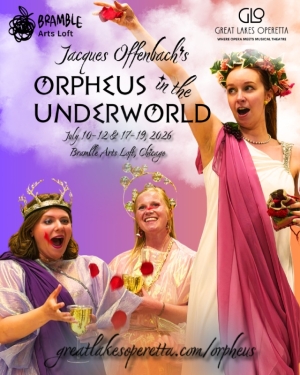
Great Lakes Operetta is delighted to present its first full-length, fully-staged operetta, Jacques Offenbach’s seminal work, Orpheus in the Underworld!
Originally premiering as Orphée aux enfers, this musical spoof of the Orpheus myth was the Hadestown of 1858’s Paris and had a cultural impact comparable to Hamilton or Phantom of the Opera. It is often considered the first operetta and inspired many other composers, most notably Johann Strauss Jr. The original book was written in part by Ludovic Halévy, of Carmen fame, and the score introduced the now world-famous “can-can” (known in the show as the “Infernal Gallop”). The show is raucous, wacky, and surprisingly modern, and the score is one of Offenbach’s best, ensuring its continued popularity.
Orpheus was initially controversial: in this version, Orpheus and Eurydice can’t stand each other and there is no moral redemption for anyone (although there is a singing bug, pictured below). Offenbach actively lampoons the tropes of classicism – both the original Greek myths and the revered operatic versions of those myths, such as Gluck’s Orfeo (which is even quoted musically in a very meta moment). Critics of the day felt Offenbach was disrespecting the Arts and Culture of the past – among other things – but Parisian audiences couldn’t get enough and allegedly the show only closed after running for 2 years straight (unheard of at the time) because the cast was exhausted.
20 years later, Offenbach released what might now be called a “Special Edition” version, turning the original 2 act show into a 4 act extravaganza with multiple new ballet numbers, more characters, and special effects. Most modern productions, including Great Lakes Operetta’s version, are 2 act versions with some elements of the 1874 production retained.
Great Lakes Operetta’s production will be in a new (premiere) English translation by Francis Lynch, who has translated three other French operetta works for Evanston Chamber Opera. The production will be directed by GLO Artistic Director SarahAnn Sutter, music directed by Lindsey Baer, assistant music directed by Anna Therese George, and produced by Kristin Weed. The production will be fully staged and presented with a small chamber ensemble. Tickets are on sale now and are available here; tickets will also be available at the door (while supply lasts).
Cast & Creative Team
Great Lakes Operetta’s Orpheus in the Underworld is presented by two outstanding casts, as follows. Whichever cast you choose to watch, you are in for a treat! (And you might enjoy it all so much that you come back to watch the other cast!)
Orpheus: Mason Montuoro (All dates)
Eurydice: Gabrielle Goudard (July 11, 17, 19); Gabrielle Haigh (July 10, 12, 18)
Public Opinion: Jennifer Barrett (July 11, 17, 19); Isabella Daltoso (July 10, 12, 18)
John Styx: Solamada Pando Girard (All dates)
Pluto: Jonathon Joseph Larson (July 11, 17, 19); Sasha Tomasevich (July 10, 12, 18)
Jupiter: Alexander Quackenbush (All dates)
Diana: Halle Rosemond (July 11, 17, 19); Catherine Larson (July 10, 12, 18)
Cupid: Hillary Esqueda (July 11, 17, 19); Abigail Greer Arcomona (July 10, 12, 18)
Venus: Alexandra Kassouf (July 11, 17, 19); Val Beck (July 10, 12, 18)
Mercury: Kristin Weed (July 11, 17, 19); Kelly Killorin (July 10, 12, 18)
Minerva: Allison Mann (July 10, 11, 12); Eugenia Bouboudakis (July 17, 18, 19);
Juno: Katarina Bakas (All dates)
Mars: Jonathan Rodney (All dates)
Bacchus: Lucas Gassmann (All dates)
Vesta: Solamada Pando Girard (All dates)
Location
Great Lakes Operetta is proud to present its first full-length, fully-staged production on the stage of the Beatrice Theatre at the beautiful Bramble Arts Loft in the Andersonville neighborhood of Chicago. Located on the second floor the historic Capital Garage building (with an ADA-accessible elevator!), this lovely, intimate space is one of Chicago’s newest performing arts venues.
For tickets, click here.
Jekyll & Hyde - Broadway Playhouse at Water Tower Place - Through October 8th
|
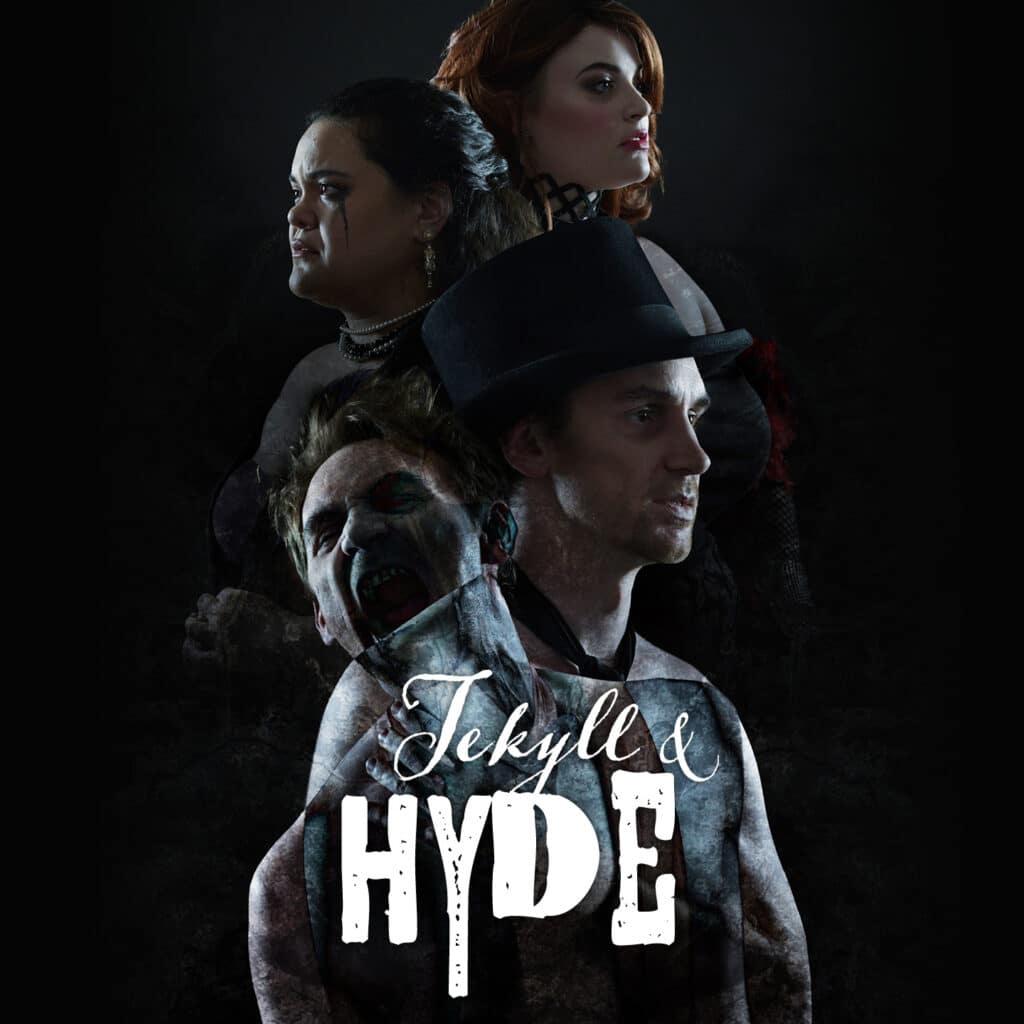
Broadway In Chicago announced today that tickets for Kokandy Productions’ critically acclaimed, multi-award-winning revival of JEKYLL & HYDE will go on sale to the public Monday, July 6. Tickets, priced from $45 to $100 with a select number of premium seats available for all performances, may be purchased at www.BroadwayInChicago.com or in person at any Broadway In Chicago venue box office. Additional fees apply for online purchases. This limited engagement will play the Broadway Playhouse at Water Tower Place (175 E. Chestnut St.) September 8—October 25. See below for information on discounted group sales for 10 or more, the performance schedule, and additional ticket information. “You will not be disappointed. Thrilling new talent emerges in this sexy crowd-pleaser.”
|
|
|
|
TICKET INFORMATION (as of 7/2/26, based on availability and subject to change) |
Operation Mincemeat: A Smart, Scrappy Musical That Shines When Its Cast Takes the Wheel
01 October 2026 in Theatre in ReviewIn the 2019 film Yesterday, a struggling musician wakes up in a world where The Beatles never existed. A similar…

SANCTUARY STORIES - A JOURNALISM THEATER PROJECT October 9-18 at the Athenaeum Center for Thought and Culture
30 September 2026 in Upcoming TheatreThrough music, documentary video, sound, photos and live actors, “SANCTUARY STORIES: A JOURNALISM THEATER PROJECT” captures in words and images…

Red Theater presents the world premiere of CHURCH HURT October 24 - November 21, 2026
30 September 2026 in Upcoming TheatreRed Theater is thrilled to announce the cast and production team of the world premiere of Church Hurt by Brynne…
Ballets Jazz Montréal Makes Chicago debut at THE AUDITORIUM Saturday, November 7th
30 September 2026 in Upcoming DanceThe Auditorium (Chicago's landmark stage at 50 E. Ida B. Wells Drive) continues its 2026-27 Dance Season titled North American…

A Red Orchid Theatre Opens 34th Season with Chicago Premiere of HEROES OF THE FOURTH TURNING October 29 – December 6, 2026
29 September 2026 in Upcoming TheatreA Red Orchid Theatre is pleased open its 34th Season, exploring the theme of "world on fire," with the Chicago…
Lookingglass announces new leadership team
29 September 2026 in Theatre BuzzLookingglass Theatre Company today announced a new leadership structure that brings together four longtime members of its acclaimed ensemble and…
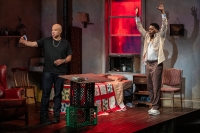
Steppenwolf’s Topdog/Underdog: When History Deals the Cards
28 September 2026 in Theatre in ReviewSusan-Lori Parks’ Topdog/Underdog, the Pulitzer Prize-winning masterpiece, is the kind of play that changes depending on when—and how many times—you…
MAMMA MIA! and HADESTOWN Return to Chicago in Spring 2027
28 September 2026 in Upcoming TheatreBroadway In Chicago is excited to announce two fan-favorite shows are returning to our stages this year: MAMMA MIA! and…
'I’m Going to Marry You Tobey Maguire,' Full of Laughs, Ends With a Fizzle
25 September 2026 in Theatre in ReviewHere’s a play that should be really good, based on its reputation alone. Written by Chicago comedy writer Samantha Hurley,…

ALL THINGS EQUAL: THE LIFE AND TRIALS OF RUTH BADER GINSBURG 2027 NATIONAL TOUR - tickets now on sale
25 September 2026 in Upcoming TheatreInnovation Arts & Entertainment, along with Broadway In Chicago, are thrilled to announce single tickets for ALL THINGS EQUAL: THE…
League of Chicago Theatres announces "It's Theatre Season" and celebrates the industry's impact
24 September 2026 in Theatre BuzzThe League of Chicago Theatres announces the return of It's Theatre Season, a campaign inviting Chicagoans and visitors to discover…

Steppenwolf Theatre Continues 51st Season with World Premiere of ADIRONDACK CHAIR CIRCLE October 22 — December 6
24 September 2026 in Upcoming TheatreSteppenwolf Theatre Company, the nation's premier ensemble theater company, is pleased to launch its 51st Season with the world premiere of…
Lookingglass’ Kowalski Ignites a Battle of Wits Between Two Icons
24 September 2026 in Theatre in ReviewLookingglass Theatre’s production of Kowalski offers a gripping, fictionalized glimpse into the first meeting between two theater greats: Tennessee Williams…

Writers Theatre continues its 35th Anniversary Season with explosive, high-stakes boxing drama The Royale October 22 – November 29
23 September 2026 in Theatre in ReviewWriters Theatre, under the leadership of Executive Director Kathryn M. Lipuma and Alexandra C. and John D. Nichols Artistic Director Braden Abraham, continues…
Detroit ’67: A Basement Becomes a City on the Brink
23 September 2026 in Theatre in ReviewDetroit was burning in the summer of 1967, inside one basement, life was still going on. That contrast is at…
Now Boarding: Bonnie’s Last Flight, a Sky‑High Comedy with Real Heart
23 September 2026 in Theatre in ReviewRivendell Theatre Ensemble closes its milestone 30th season with Bonnie’s Last Flight, a sly, sky‑high comedy set during a flight…
Teatro Vista Productions announces season
22 September 2026 in Upcoming TheatreTeatro Vista Productions, the Midwest's only Latine-led Equity theatre company, led by Executive Director Lorena Diaz and Artistic Director Wendy…
Step Right Up and Ride the Cyclone (The Musical) at Metropolis Arlington Heights
22 September 2026 in Theatre in ReviewIf anyone has ever told you to buckle up and enjoy the ride, they were talking about life—and even if…
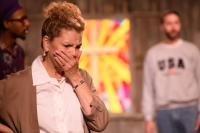
Funny ‘Prayer Circle’ Is Loaded With Laughs
22 September 2026 in Theatre in ReviewErik Gernand is resident playwright at Redtwist Theatre, and his Prayer Circle is absolutely laugh-out-loud funny. The strength of this…

Steppenwolf Presents GRACEFUL WARRIOR: AN EVENING WITH GARY SINISE - Tuesday, November 24, 2026
22 September 2026 in Upcoming TheatreSteppenwolf Theatre Company, the nation's premier ensemble theater company, is pleased to present Graceful Warrior: An Evening with Gary Sinise on Tuesday, November…
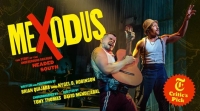
Acclaimed Mexodus musical makes Chicago premiere November 7-21 at Studebaker Theater
22 September 2026 in Upcoming TheatreStudebaker Theater, P3 Productions and Audible, in collaboration with Teatro Vista Productions, present the Chicago premiere of the groundbreaking, award-winning new hip-hop musical Mexodus, written and performed…

Arts in the Dark Parade moves to Columbus Drive due to dynamic growth, Oct. 24
21 September 2026 in Theatre BuzzLUMA8 and the City of Chicago return with the 12th Annual Arts in the Dark Halloween Parade, a family-friendly celebration…

American Blues Theater hosts its annual costumed fundraiser HALLOWEEN BOO BASH October 25th
21 September 2026 in Theatre BuzzAmerican Blues Theater, under the continued leadership of Executive Artistic Director Gwendolyn Whiteside, presents Halloween Boo Bash, its annual costumed fundraiser benefiting artists' wages…
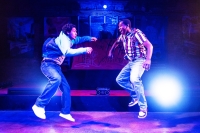
Definition's How We Got On: A Mixtape for the Stage
21 September 2026 in Theatre in ReviewWhat happens when three young people discover hip-hop and realize they might have something to say? Idris Goodwin’s How We…
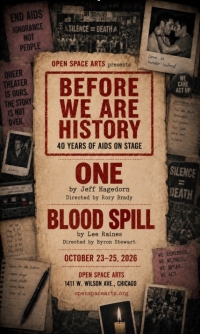
Open Space Arts Presents BEFORE WE ARE HISTORY October 23 – November 8
21 September 2026 in Upcoming TheatreOpen Space Arts presents BEFORE WE ARE HISTORY, a three-week theatrical exploration of LGBTQ+ theater created during and in response to…
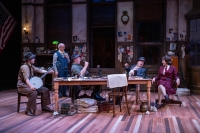
Northlight Delivers a Headline-Making, Hilarious Front Page
20 September 2026 in Theatre in ReviewNorthlight Theatre opened its new venue with Jeffrey Hatcher’s smart, rejuvenated adaptation of The Front Page. Commissioned by Artistic Director…
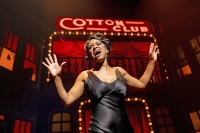
Chicago Shakes' Play On!: With a Syncopated Harlem Beat
20 September 2026 in Theatre in ReviewThere are some productions you watch, and then there are productions that make your heart swoon and your toe tap.…

Overshadowed's Flame of Fire Finds Humanity, Strength, and Forgiveness in a Tragic Chapter of Missionary History
19 September 2026 in Theatre in ReviewOvershadowed Productions’ Flame of Fire revisits one of the most polarizing true stories in mid‑century missionary history, and the result…
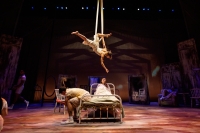
The Attic at Goodman Theatre Redefines Memoir Through Breathtaking Physical Storytelling
19 September 2026 in Theatre in ReviewAt intermission, I sent Ken, Buzz Center Stage’s managing editor, a text: “So thankful I made it!! It’s intermission, and…
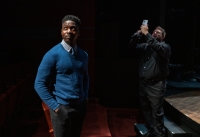
Class is back in session with Victory Gardens’ World Premiere of The Humanities
19 September 2026 in Theatre in ReviewCoincidentally (or not), Victory Gardens’ new play about a controversial campus speaker opens just days after the one-year anniversary of…



Latest Articles
-
 Operation Mincemeat: A Smart, Scrappy Musical That Shines When Its Cast Takes the Wheel
Written by Maddie BurroughsIn the 2019 film Yesterday, a struggling musician wakes up in a world where The Beatles never existed. A similar theatrical case study could be done with every musical that might not exist without Hamilton; Operation Mincemeat should be first…
Operation Mincemeat: A Smart, Scrappy Musical That Shines When Its Cast Takes the Wheel
Written by Maddie BurroughsIn the 2019 film Yesterday, a struggling musician wakes up in a world where The Beatles never existed. A similar theatrical case study could be done with every musical that might not exist without Hamilton; Operation Mincemeat should be first… -
 MAMMA MIA! and HADESTOWN Return to Chicago in Spring 2027
Written by Buzz Center StageBroadway In Chicago is excited to announce two fan-favorite shows are returning to our stages this year: MAMMA MIA! and HADESTOWN. Current subscribers can add these to their season package when renewing by clicking here or calling (312) 977-1717. Group…
MAMMA MIA! and HADESTOWN Return to Chicago in Spring 2027
Written by Buzz Center StageBroadway In Chicago is excited to announce two fan-favorite shows are returning to our stages this year: MAMMA MIA! and HADESTOWN. Current subscribers can add these to their season package when renewing by clicking here or calling (312) 977-1717. Group… -
SANCTUARY STORIES - A JOURNALISM THEATER PROJECT October 9-18 at the Athenaeum Center for Thought and Culture
Written by Buzz Center StageThrough music, documentary video, sound, photos and live actors, “SANCTUARY STORIES: A JOURNALISM THEATER PROJECT” captures in words and images the lives and communities deeply connected with — and affected by — immigration in Chicago. This “living documentary” is a…
-
Red Theater presents the world premiere of CHURCH HURT October 24 - November 21, 2026
Written by Buzz Center StageRed Theater is thrilled to announce the cast and production team of the world premiere of Church Hurt by Brynne Frauenhoffer and directed by Jessica Love, running October 24 - November 21, 2026 at The Edge Off Broadway in Chicago’s…


Does your theatre company want to connect with Buzz Center Stage or would you like to reach out and say "hello"? Message us through facebook or shoot us an email at This email address is being protected from spambots. You need JavaScript enabled to view it..
*This disclaimer informs readers that the views, thoughts, and opinions expressed in the text belong solely to the author, and not necessarily to Buzz Center Stage. Buzz Center Stage is a non-profit, volunteer-based platform that enables, and encourages, staff members to post their own honest thoughts on a particular production.